
Stef Assandri
wpZimmer resident in 2025
Stef Assandri (They/Them)
Uruguayan transdisciplinary artist.
Stef’s artistic practice involves textualities, costume design, cooking, and research-creation. In recent years, they have been exploring and investigating practices that connect topics such as migration, gender, and speciesism. Currently, they are working on a long-term research project that intertwines writing practices and plant-based cooking –as a way of rejecting speciesism by promoting ways of eating without non-human animal exploitation. Through this project, they are weaving an archive that takes various forms of expression, such as publications, performances, dinners, sound pieces, and more.
Since 2022, they have been co-leading the collaborative project transestéril with María del Buey Cañas (2022–present). transestéril operates in transit between different spaces—both artistic and academic—seeking situated ways to engage with artistic research through a transfeminist and anti-speciesist lens.
They co-created the artistic research project TACTICS for a COLLECTIVE BODY (2020-2022) with Renata Lamenza Epifanio and Researcher (>1) at the Academy of Fine Arts and Conservatoire, Antwerp.
They completed a Master’s in Visual Arts at the Academy of Fine Arts Antwerp (2019). They hold a degree in Textile and Fashion Design from the University of the Republic (Uruguay, 2015).They were part of the collectives Bailamos Siempre Las Mismas Canciones (Uruguay, 2017–2018) and BARRA Movement (Belgium, 2022–2024). Stef has collaborated and continues to collaborate with Carolina Guerra Filippini, Carolina Mendonça, Iris Donders, Desirée Cerocien, Sadrie Alves, NOON Collective and artists from the Contemporary Art Foundation (Uruguay).
projects
 The Echoes of Silence (working title)
To migrate is to become entangled between wet tongues
through which words slip,
navigating verbs in parallel tenses.
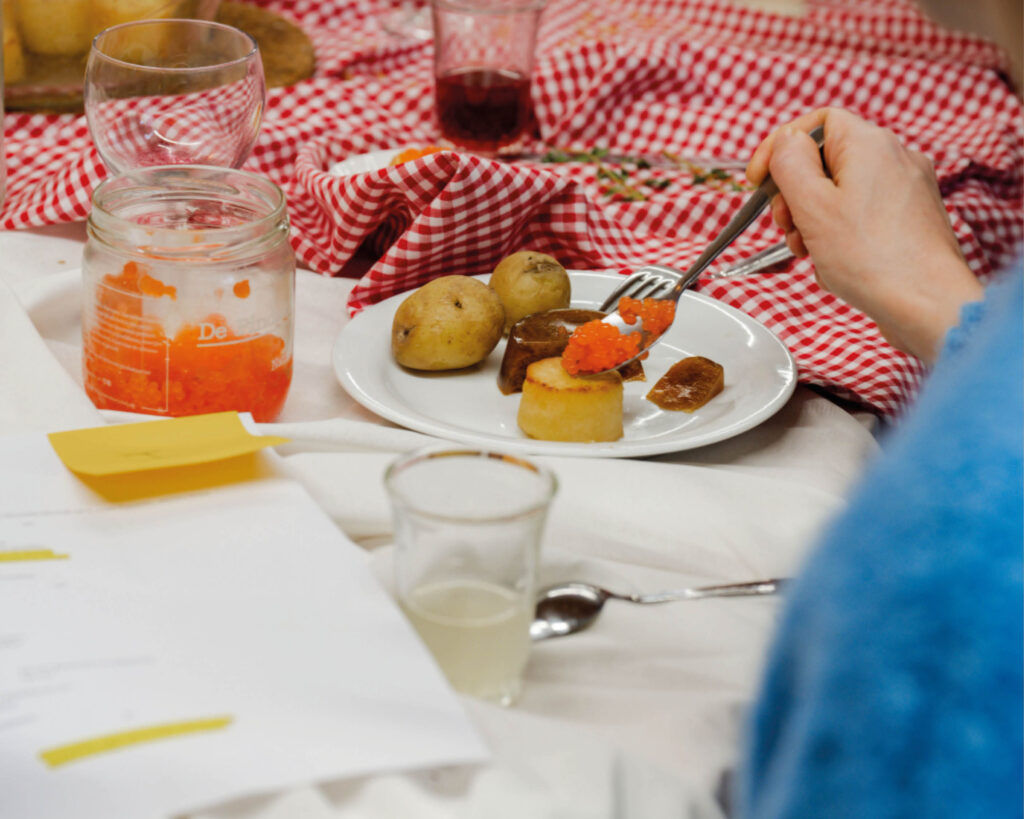
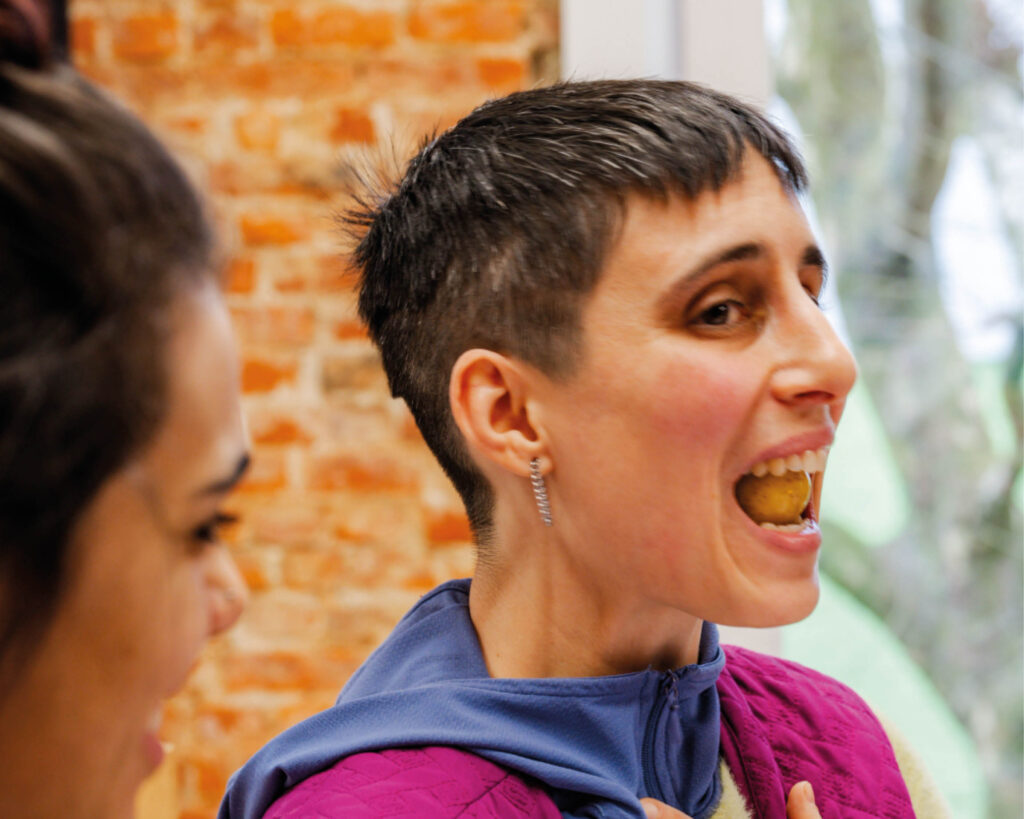
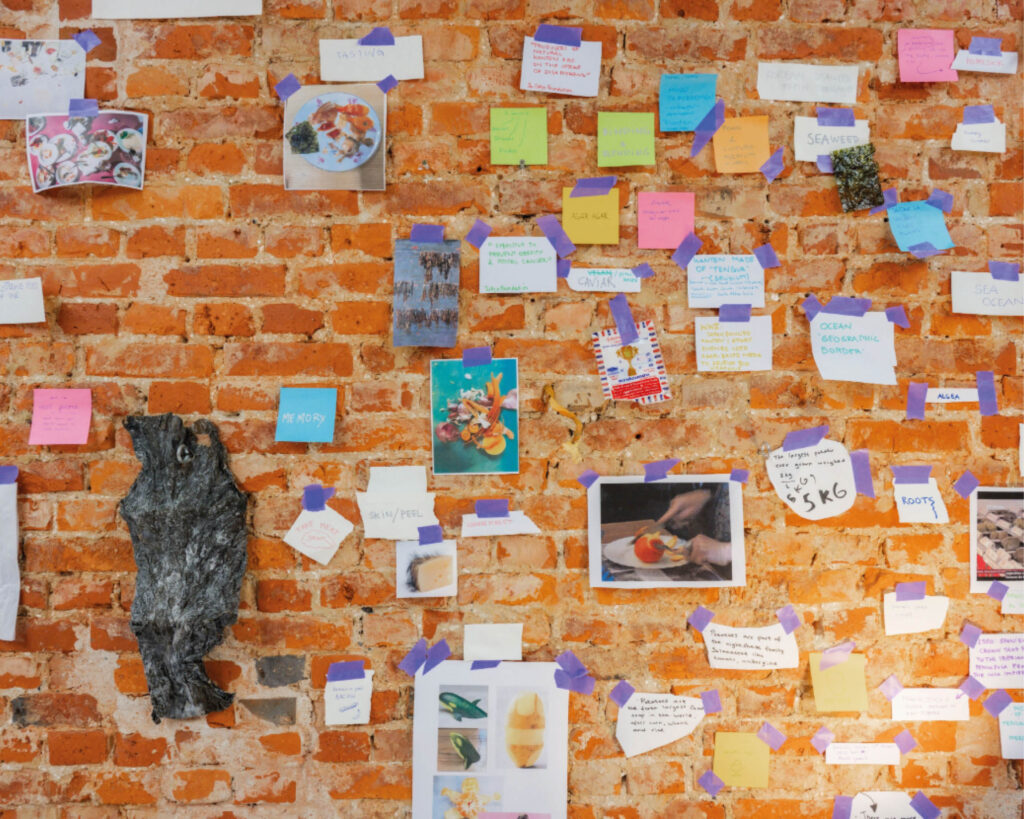
The Echoes of Silence –working title– is a long-term research-creation project developed with transatlantic ingredients. Each stage of the process unfolds into different forms of sharing: readings, publications, installations, performances, dialogues, and dinners. The project seeks to weave networks of affinity through artistic practice, tracing a past-present narrative of migration. What are the echoes in the unfolding of a migration process? What do we cook when we are far from home?
Writing/reading takes the form of chronicles. Writing about migration becomes an exercise in thinking-and-doing with the whole body—a way of writing to “idear” (Anzaldúa, 2015). These textualities, together with cooking, form the core of this project. Writing/reading is done with the body, cooking is done with the body, and these actions give rise to somatic practices and gestures. Connecting migration with textualities and cooking activates conversations and embodies lived experiences of foreignness.
At the same time, –plant based– food acts as a way to soothe homesickness. The ingredients we cook will nourish this research both as a remedy and as a witness to the journeys they’ve traveled to reach our hands. Fruits and vegetables act as materials imbued with memory, archiving a story of migration and globalization.
The interest is to study these geographic movements and their relation to human migration, and to collect and write stories of migration and globalization.
Violence reproduces itself, twists and squeezes
during wordless service.
The silence at the service of history.